
Biz İstanbul
İstanbul’da yaşamış, İstanbul’dan tat almış, İstanbul’a tat vermiş herkes için…
Concert
İstanbul History Turkish Music Ensemble
Concert
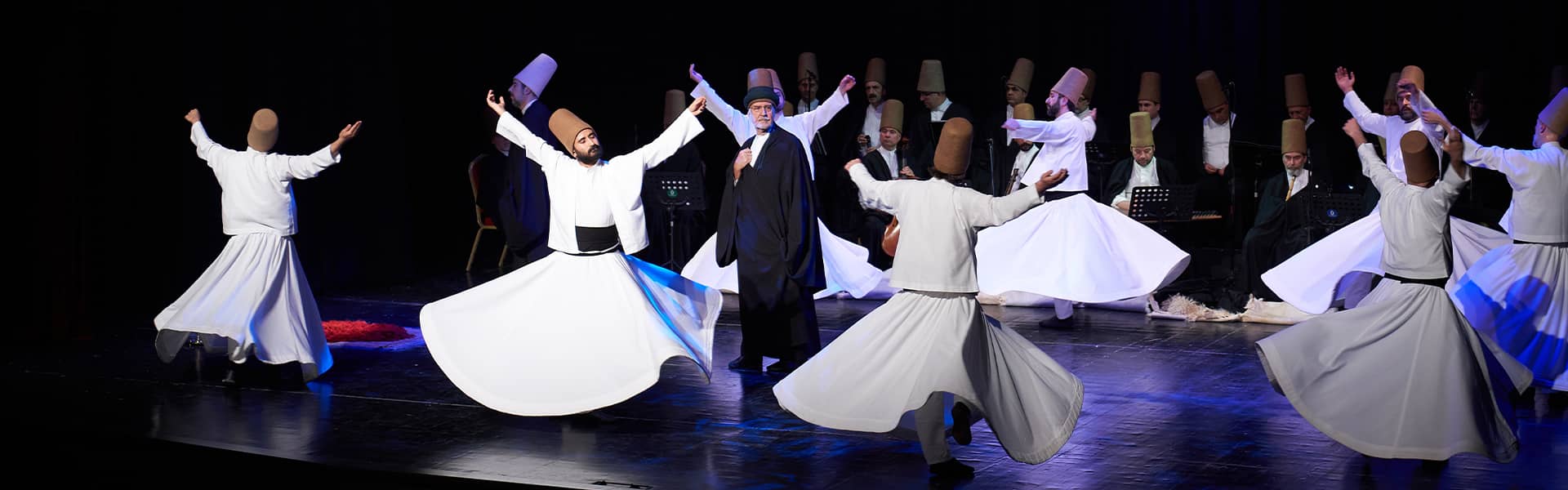
Dhikr, or Zikhr which stands for remembrance and mentioning, is the main liturgical element in tariqahs (lit. path, road), which are the idiosyncratic religious orders that manifest varified Sufi apprehensions. In this sense, dhikr refers to voiced or unvoiced repetitions of the names of Allah with a certain amount of intervals in between. The dhikr can be performed solo, or in a group. In the liturgy of the dhikr, each tariqah employs its own differences and rules to the performance and applies certain movements. Some kneel and lean slightly on each side (kuûdi), some stand on their knee and rise as if to step up but seat back again, some stand on their feet swing softly to each side arm-in-arm or shoulder to shoulder (kıyâmî), or they make circular rotations arm-in-arm or hand-in-hand (devrânî), and some are performed when one dervish turns around himself, that is as to turn like a wheel during the Semâ, the Celestial whirl. Here then, the semâ, one of the dhikrs of mawlawihood, has a dervish whose tongue now speaks the divine language and whose soul is filled with the Hakk (the Righteous) whirl around himself. In a sense, everything in the cosmic plane whirls. In this respect, the origin of the semâ can be traced back to the Creation. In a word, this act dates far beyond the time of Mevlânâ Jalal al-Din Rumi. The performance is not what he has invented, but what he has adapted. It is a moment of enravishment during which the body joins in movement to the soul in its exuberance of spirit. It is the ecstasy of the being. It is related that the first caliph Abu Bakr was the first who performed the semâ. However, that can be regarded as an individual act of dhikr. In mawlawihood, however, the reciprocation of the semâ is a characteristic, organized ceremony of dhikr performed in a group that has been very influential in inviting people to the religion thanks to its high-sense and unmatched aesthetics. Rumi's Semâ includes much Sufi symbolism, evoking empyreal emotions in both the beholder and the listener, and is systematized to perfection.
In our Mawlawi performance, we’ll present to you the masterpiece Hüzzam Mevlevî Rite, which in itself is the most beautiful rendition of the Hüzzam maqam, composed by Hamamîzâde İsmail Dede, who can be cited among the most important composers of the Turkish Music. We, İstanbul Historical Turkish Music Ensemble, invite you to our performance in this beautiful place.
Rite to be performed : Hüzzam Mevlevî Rite
Composition: Hamamîzâde İsmâil Dede Efendi
Sufi Leader (Postnishin) : Ömer Tuğrul İnançer
Art Director : Mehmet İhsan Özer
To be notified when it goes on sale
İstanbul’da yaşamış, İstanbul’dan tat almış, İstanbul’a tat vermiş herkes için…
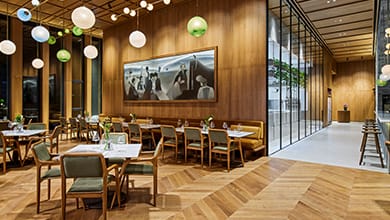
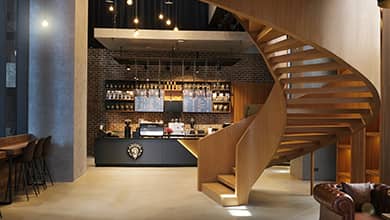
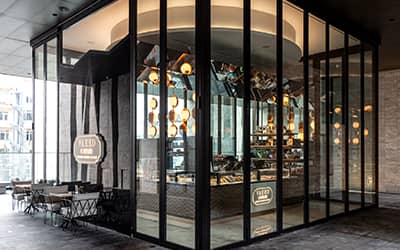
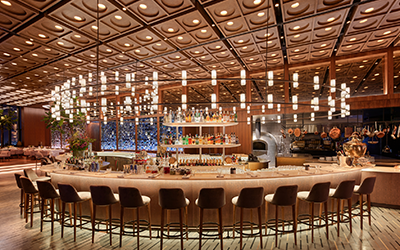
Divan Group, which develops its modern understanding inspired by the future, has a strong structure which includes hotels, bakeries, restaurants, cafeterias, shopping, and visiting spaces.
...
Sometimes a pleasant smell of coffee filling your nose as you leave the theatre hall, sometimes a bar of chocolate that raises a smile before an entertaining concert…